Chain reaction crashes happen in an instant. You stop at a red light on the Hutchinson River Parkway, and suddenly your car is slammed from behind, pushing you into the vehicle in front. In seconds, three cars crash, people suffer injuries, and everyone scrambles to assign blame. The driver who caused the initial impact is usually responsible for all the damage, but insurance companies often challenge this.
They examine the following distances, brake lights, and whether you can avoid hitting the car ahead. Knowing how liability works in multi-vehicle accidents is key to protecting your right to fair compensation.
If you feel overwhelmed or unsure about your next steps, the team at The Law Offices of Jason B. Kessler can provide help. Reach out to a Manhattan car accident lawyer today.
Key Takeaways: Liability in Chain Reaction Collisions
- The initial impact driver usually holds responsibility: When someone rear-ends you and forces you into another vehicle, that driver is liable for all damages in the chain.
- Multiple parties can share fault: Sometimes, the middle or front drivers contributed to the collision through sudden stops or other actions, complicating who pays what.
- Insurance companies investigate thoroughly: Adjusters examine skid marks, vehicle damage patterns, and witness statements to determine whether you had time to prevent hitting the car ahead.
- Your stopped position matters: Coming to a complete stop before impact strengthens your case that you couldn’t avoid the collision.
- Police reports document the sequence: Officer observations about the crash sequence, road conditions, and driver statements provide critical evidence for establishing liability.
- New York's shared negligence law applies: Even if you bear some responsibility, you can still recover compensation reduced by your percentage of fault.
- Call a car accident lawyer: Multi-vehicle crashes involve complex liability questions and multiple insurance companies, making legal representation essential for protecting your rights.
How Rear-End Chain Reactions Typically Establish Fault
Rear-end collisions happen in a flash, but their effects can last far beyond the moment of impact. Drivers must keep a safe distance and pay attention to traffic ahead. When someone fails to stop and crashes into your car, they break that basic responsibility. The force of the hit can push your vehicle forward even if you’re braking hard, leaving you hurt and your car damaged.
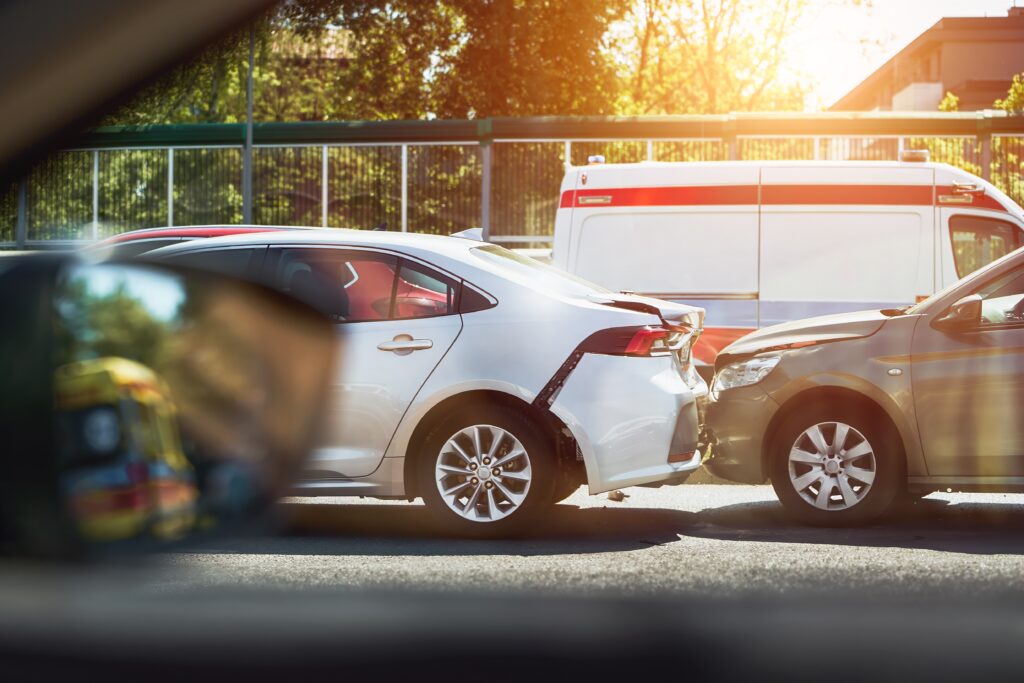
Momentum works against you. A rear impact can carry your vehicle into the car in front, making you unwilling to participate in damage you didn’t cause. In Westchester County and across New York, courts recognize this chain reaction. If you were stopped or slowed down properly, the driver who struck you from behind is usually held fully responsible for the damage.
We help people navigate these situations, handle insurance challenges, and ensure the liable driver is held accountable. At The Law Offices of Jason B. Kessler, our car accident attorneys focus on getting you the support and results you need after a rear-end crash.
Why the Initial Impact Driver Faces Full Liability
Think of it like falling dominoes. The person who tips the first domino causes all the others to fall. Similarly, the driver who rear-ended you created the circumstances that led to you hitting the vehicle ahead. Without their negligent driving, neither collision will have occurred.
This logic applies whether you're stopped at a red light in Manhattan, caught in traffic on I-287, or waiting to turn in White Plains. When you stop and another driver rear-ends you hard enough to push you forward, that driver causes both impacts.
When Liability Becomes More Complex in Multi-Vehicle Crashes
Not every chain reaction fits the simple pattern of one negligent driver causing everything. Sometimes, multiple drivers contributed to the collision through their own careless actions. These situations require thorough investigation to determine who bears what percentage of responsibility.
Sudden Stops and Following Too Closely
Insurance companies might argue you share fault if you followed the front vehicle too closely when the rear impact occurred. They'll claim that even accounting for being pushed forward, a proper following distance should have provided a buffer preventing the second collision.
This argument has limits. The following distance becomes irrelevant when completely stopped before impact because you've already left appropriate space. The rear impact force determines what happens next, not how closely you traveled before stopping.
Brake Light Failures and Visibility Issues
Sometimes, the front vehicle contributes to the collision by braking suddenly or stopping unexpectedly without warning. If that driver suddenly stopped the whole chain reaction, they might share liability for what followed.
These scenarios require examining what each driver may have seen and avoided. Did weather conditions on the Cross Bronx Expressway reduce visibility? Were brake lights functioning properly? Did anyone make erratic maneuvers that contributed to the crash? Each factor affects how courts and insurance companies divide responsibility.
What Insurance Companies Investigate After Chain Collisions
When three cars collide, multiple insurance companies get involved. Each insurer looks out for its own driver and may try to shift responsibility, creating a complex situation that can make getting fair compensation frustrating and confusing.
Insurance adjusters study the damage to understand what happened. They examine the front of your car, the rear, and the car in front to piece together the sequence of impacts. This analysis helps show how force from the rear collision pushed your vehicle forward and whether that alone caused the crash into the car ahead.
We guide drivers through this process, ensuring your side of the story is clear and that insurers don’t overlook your claim. At The Law Offices of Jason B. Kessler, our car accident attorneys focus on helping people in Westchester County get the results they deserve after chain-reaction crashes.
The Role of Physical Evidence
Skid marks, where vehicles end up, and scattered debris tell the story of a crash. If your car doesn’t skid before the rear impact but starts skidding afterward, it shows you were stationary when the other driver hit you. There is severe damage to your rear, while the front car only has minor damage points due to the force coming from behind.
Police reports capture these details at the scene. Officers record vehicle positions, road conditions, and visible violations like speeding or following too closely. These notes carry weight when dealing with insurance companies and can be crucial if the case moves toward litigation.
We clearly present this evidence to help insurers understand how the crash unfolded. Our personal injury attorneys focus on helping Westchester County drivers get the compensation they need when a rear-end collision sets off a chain reaction.
Your Rights When Caught in the Middle
Being in the middle of a three-car collision puts you in a difficult spot. Another driver hit you from behind, and that impact may have pushed your car into the vehicle ahead. Knowing your rights helps you get compensation for your own damages while protecting yourself from claims by the driver ahead.
You are entitled to coverage for car repairs, medical treatment, and lost earnings if injuries keep you from work. The driver who hit you from behind should be responsible for these costs.
Their insurance should also cover any damage your car caused to the vehicle in front, since the chain of events started with their negligence. We help middle-car drivers navigate these situations, ensuring insurers recognize both your losses and the sequence of the crash.
Filing Claims With Multiple Insurance Companies
After a three-car collision, your first step is usually filing a claim with the rear driver’s insurance for your damages. The driver in front will likely do the same, making the rear driver’s policy responsible for multiple claims. Your underinsured motorist protection may cover the remaining costs if their coverage isn't enough.
New York’s no-fault system helps cover your initial medical bills and lost earnings through your policy, regardless of who caused the crash. This ensures you get prompt support while insurers sort out liability. The at-fault driver’s liability coverage for car repairs and other losses comes into play.
We guide drivers through the process, helping them file claims correctly and ensuring insurers respect their rights. At The Law Offices of Jason B. Kessler, our personal injury attorneys focus on helping Westchester County drivers get fair compensation after rear-end chain-reaction crashes.
How Lawyers Build Your Defense in Chain Reaction Cases
When insurers suggest you share blame for hitting the car in front, having solid legal support matters. We review every crash detail to show that the rear impact caused the forward collision and that you cannot prevent it.
The definition of accident reconstruction can make a big difference in complicated cases. Professionals analyze physics, vehicle damage, and scene evidence to determine how the cars moved and how much force was involved. This scientific approach counters insurance speculation about what you might have done differently.
Witness accounts add another layer of support. Drivers or pedestrians who witnessed the crash can confirm you held your position before the impact and explain the rear driver’s negligence. These independent observations carry real weight in proving liability.
At The Law Offices of Jason B. Kessler, our personal injury attorneys focus on helping Westchester County drivers tell the full story and secure the compensation they deserve.
Getting Fair Compensation After Multi-Vehicle Collisions
Chain reaction crashes often cause substantial damage across multiple vehicles and injure people. The total costs can quickly exceed the at-fault driver's insurance limits, creating fights over how available coverage gets divided among victims.
Without consulting a lawyer, don't accept insurance company arguments that you're partly at fault. Adjusters use these tactics to reduce what they pay, even when the evidence clearly shows you couldn't avoid the forward collision. We fight back against these strategies and demand full compensation for your losses.
The Law Offices of Jason B. Kessler understands the complexities of multi-vehicle accidents throughout White Plains, Queens, and Manhattan. With nearly 20 years of experience representing injured people, we know how to investigate chain reaction crashes, counter insurance company blame-shifting, and secure the compensation you deserve. We treat every client like family and work tirelessly to turn your setback into a comeback.
Protecting Your Rights Starts With Legal Help
Multi-vehicle collisions create complicated liability questions that require thorough investigation and aggressive advocacy. When a chain reaction traps you through no fault of your own, you need a Manhattan personal injury attorney who fights for the compensation required to repair your vehicle and recover from your injuries.
If you experience a chain reaction collision in New York, call the Law Offices of Jason B. Kessler at 914-220-1088 to schedule a free consultation. Our team is ready to investigate your case, counter insurance company arguments, and pursue the justice you deserve for your losses.
FAQs About Liability in Multi-Car Chain Reactions
Am I automatically at fault for hitting the car in front of me?
No—if a rear driver hits you hard enough to push your car into another vehicle, the rear driver usually bears responsibility for both collisions, not you.
Can I be held liable if I was on my phone when the rear-end collision happened?
If you were already stationary, your phone use at the moment of impact usually doesn’t matter, but insurers may claim that distracted driving beforehand contributed to the crash.
What if all three drivers claim they weren't at fault?
Investigators examine physical evidence, witness statements, and police reports to determine the actual sequence of events and assign responsibility based on facts rather than self-serving claims.
How long do I have to file a claim after a chain reaction crash in New York?
The statute of limitations for personal injury cases in New York is typically three years from the accident date. However, you should file claims with insurance companies much sooner to protect your rights, preserve key evidence, and avoid delays that can weaken your case. Acting quickly also helps ensure that medical records, witness statements, and accident details remain accurate and readily available, giving you the best chance for a full and fair recovery.